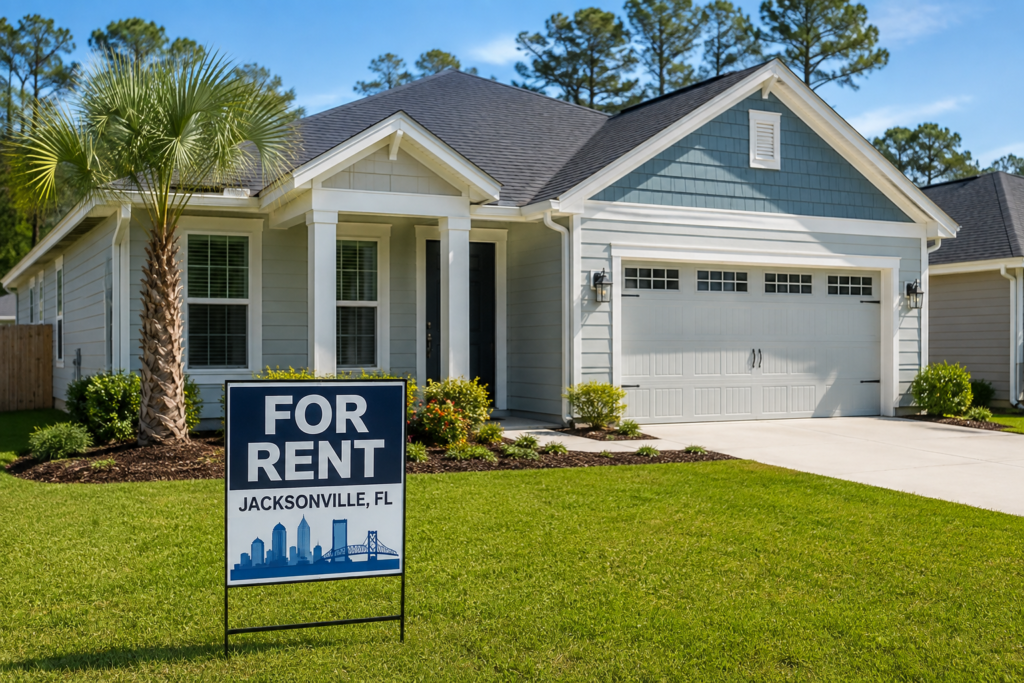
If you own a home in Jacksonville or Northeast Florida and are considering turning it into a rental property, you may be wondering where to start.
Renting out a home can be a great way to generate income and build long-term wealth, but being a successful landlord involves much more than simply listing a property online and collecting rent.
From determining the right rental price to preparing the property, screening tenants, handling maintenance, and understanding your responsibilities as a landlord, there are several important things to consider before handing over the keys.
Here are 7 things every Jacksonville property owner should know before renting out a home.
1. Determine What Your Jacksonville Home Could Rent For
One of the first questions Jacksonville property owners ask is, “How much can I rent my house for?” The answer depends on several factors, including the location, number of bedrooms and bathrooms, square footage, property condition, amenities, nearby rental competition, and current demand in the Jacksonville rental market.
2. Prepare Your Property Before Listing It for Rent
Before advertising your Jacksonville rental property, make sure the home is clean, safe, and ready for a new tenant.
Small issues such as leaking faucets, damaged doors, broken fixtures, dirty flooring, or overgrown landscaping can affect a prospective tenant’s first impression of the property. Taking care of repairs and maintenance before showings can also help prevent problems after the tenant moves in.
Property owners should also check important items such as the air-conditioning system, plumbing, electrical fixtures, smoke detectors, appliances, locks, and exterior condition of the home.
A well-maintained rental property can attract stronger applicants, reduce vacancy time, and help protect the long-term value of your investment.
3. Market Your Jacksonville Rental Property Effectively
Finding the right tenant starts with making sure your rental property is seen by qualified renters.
A strong rental listing should include clear photos, an accurate property description, the monthly rent, security deposit information, number of bedrooms and bathrooms, important features, and basic qualification requirements.
Advertising the property across multiple rental websites and local platforms can help increase exposure. Responding promptly to inquiries and making it easy for prospective tenants to schedule a showing can also help reduce vacancy time.
The goal is not simply to receive as many applications as possible. The goal is to attract qualified applicants who are a good fit for the property while following all applicable fair housing laws.
4. Screen Prospective Tenants Carefully.
Tenant screening is one of the most important steps in protecting a rental property and reducing potential problems later.
A consistent screening process may include reviewing an applicant’s income, employment history, rental history, credit information, and background information when permitted by law. Property owners should establish clear rental criteria before accepting applications and apply those standards consistently to every applicant.
Verifying information provided on an application can help identify potential concerns before a lease is signed. Landlords should also make sure their screening practices comply with federal, state, and local fair housing requirements.
Taking the time to carefully evaluate applicants can help reduce the risk of missed rent payments, lease violations, property damage, and costly turnover.
5. Understand Your Responsibilities as a Florida Landlord.
Owning a rental property comes with legal responsibilities. Florida residential landlords should become familiar with the Florida Residential Landlord and Tenant Act, which is contained in Chapter 83 of the Florida Statutes.
Landlords have responsibilities related to maintaining rental properties, handling security deposits and advance rent, providing required notices, and following the proper legal process when dealing with lease violations or the end of a tenancy.
Florida law also includes certain disclosure requirements. For example, qualifying residential leases with a term of one year or longer require a separate flood-risk disclosure to the prospective tenant at or before the rental agreement is executed.
Understanding these responsibilities before renting out your home can help you avoid costly mistakes and better protect your property. Because landlord-tenant laws can change, property owners should use current lease documents and seek qualified legal or professional guidance when necessary.
6. Plan for Maintenance and Repairs.
Maintenance is an ongoing part of owning a rental property, so landlords should have a plan for handling both routine repairs and unexpected problems.
Issues such as air-conditioning failures, plumbing leaks, electrical problems, appliance breakdowns, and roof or water damage can happen with little warning. Responding quickly can help protect the property, keep tenants satisfied, and prevent a small repair from becoming a much larger expense.
Property owners should consider setting aside money each month for maintenance and future repairs. It can also be helpful to have reliable local contractors or service providers available when an issue occurs.
Regular property inspections and preventive maintenance can help identify concerns early and protect the long-term condition and value of the rental property.
7. Decide Whether to Hire a Jacksonville Property Management Company
Managing a rental property can require a significant amount of time, especially when handling marketing, tenant inquiries, showings, screening, lease paperwork, rent collection, maintenance requests, inspections, and tenant communication.
Some property owners prefer to manage everything themselves, while others choose to work with a professional property management company to help reduce the day-to-day responsibilities of being a landlord.
A local Jacksonville property manager can help owners understand rental market conditions, market the property, coordinate tenant screening, manage maintenance, and oversee the rental throughout the tenancy.
For owners who live outside Northeast Florida, own multiple rental properties, or simply want a more hands-off approach, professional property management may be worth considering.
Need Help Renting Out Your Jacksonville Property?
Renting out a home can be a great investment, but managing the process takes time, local market knowledge, and consistent attention.
904 Property Management and Real Estate helps property owners throughout Jacksonville and Northeast Florida with rental marketing, tenant placement, property management, maintenance coordination, and the day-to-day responsibilities that come with owning a rental property.
Whether you are renting out your first property, moving out of a home and considering keeping it as a rental, or looking for help managing an existing investment property, we would be happy to discuss your options.
Find Out What Your Property Could Rent For
Start with a Free Rental Analysis to get a better understanding of your property’s potential rental value in today’s Jacksonville market.